Vermiculite Coating for Cast Aluminum Facade: Fire Resistance and Thermal Benefits by ASUZAC ACM
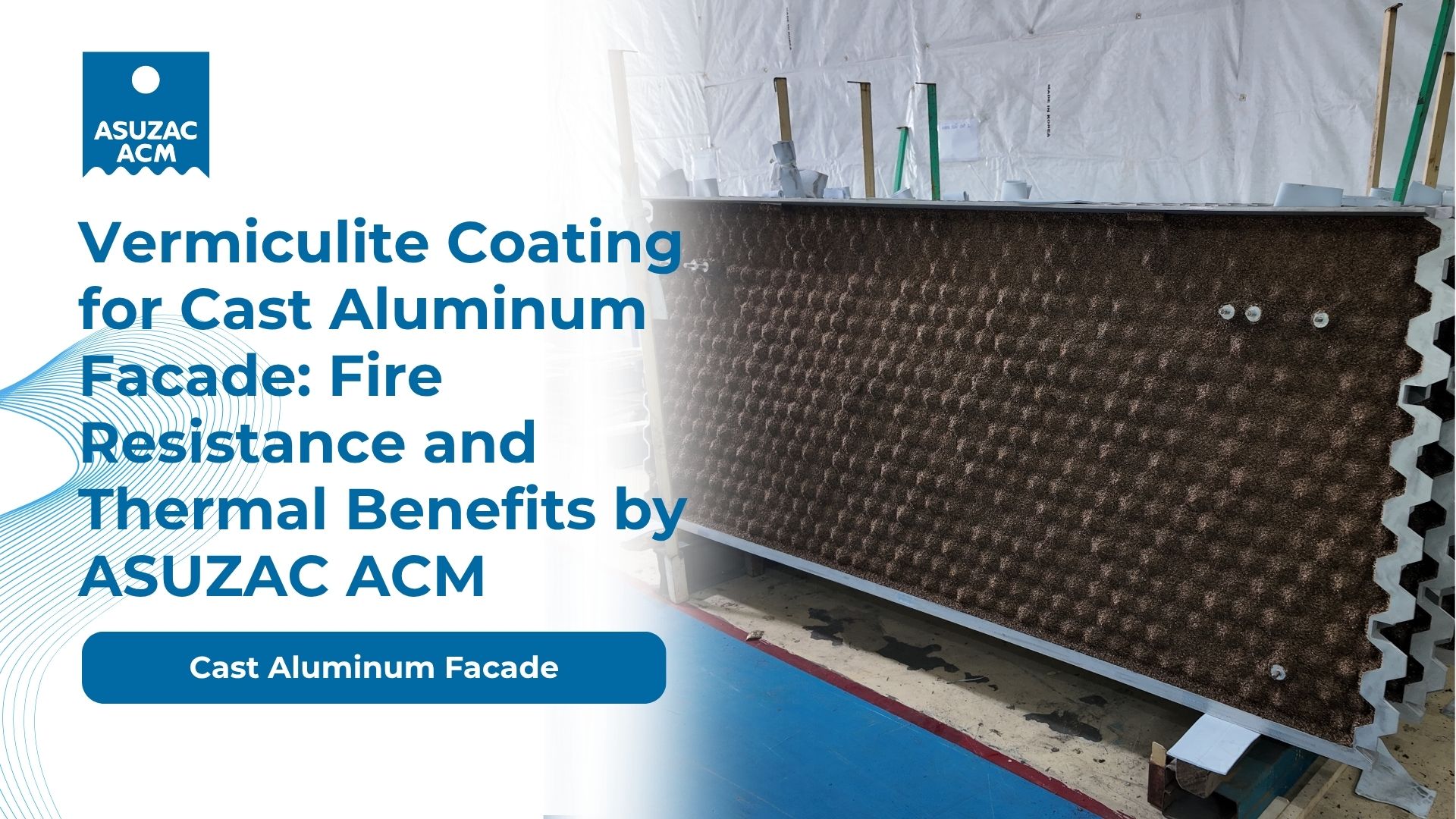
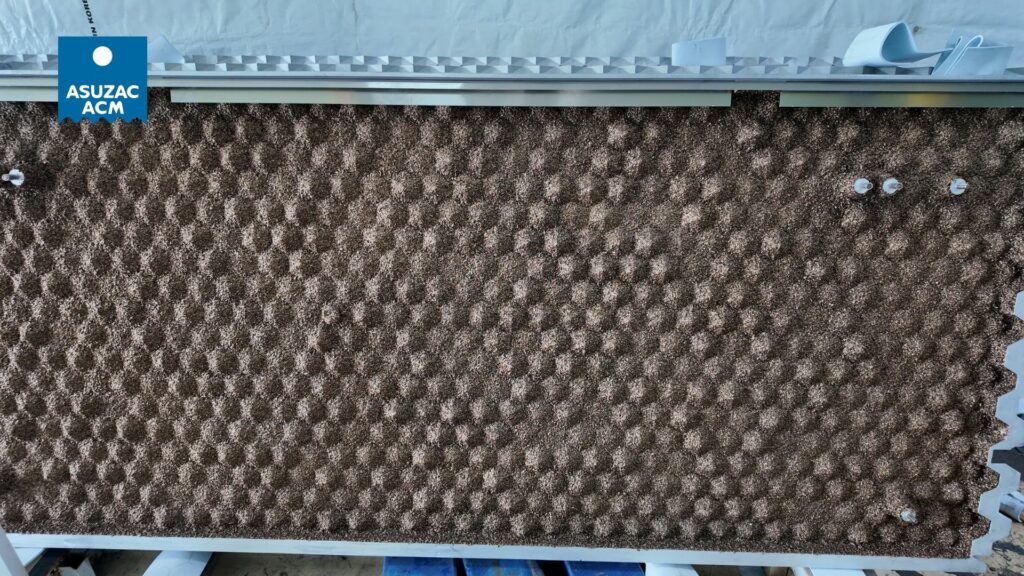
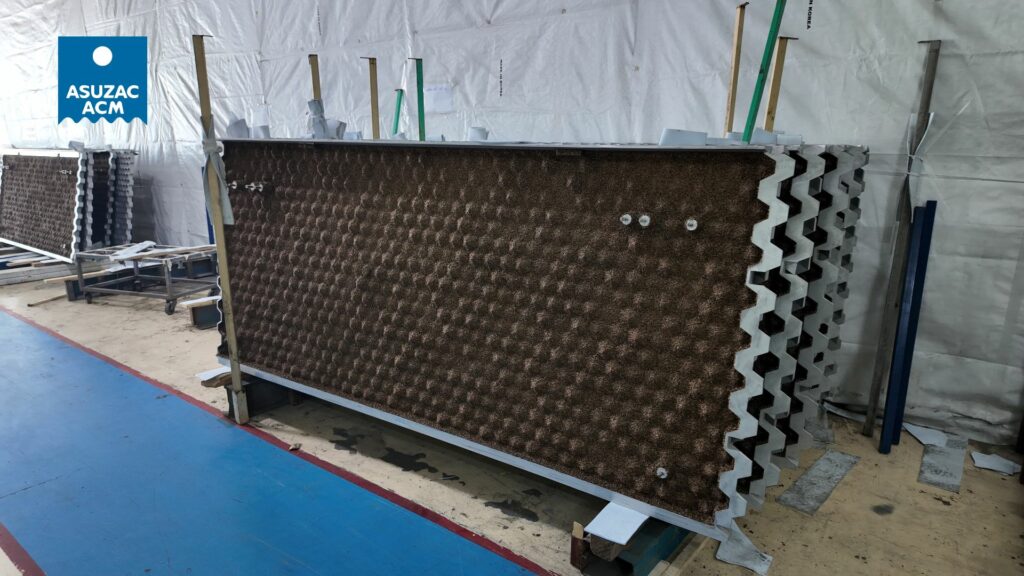
Building elevations are increasingly expected to contribute to both everyday performance and emergency safety. One approach now being used by ASUZAC ACM is the application of vermiculite to the reverse face of cast aluminum facade panels. On a current client project, the material is sprayed onto the rear of each panel. In the event of a fire, the layer helps delay the spread of flames and enhances overall safety, while also providing measurable thermal-insulation benefits.
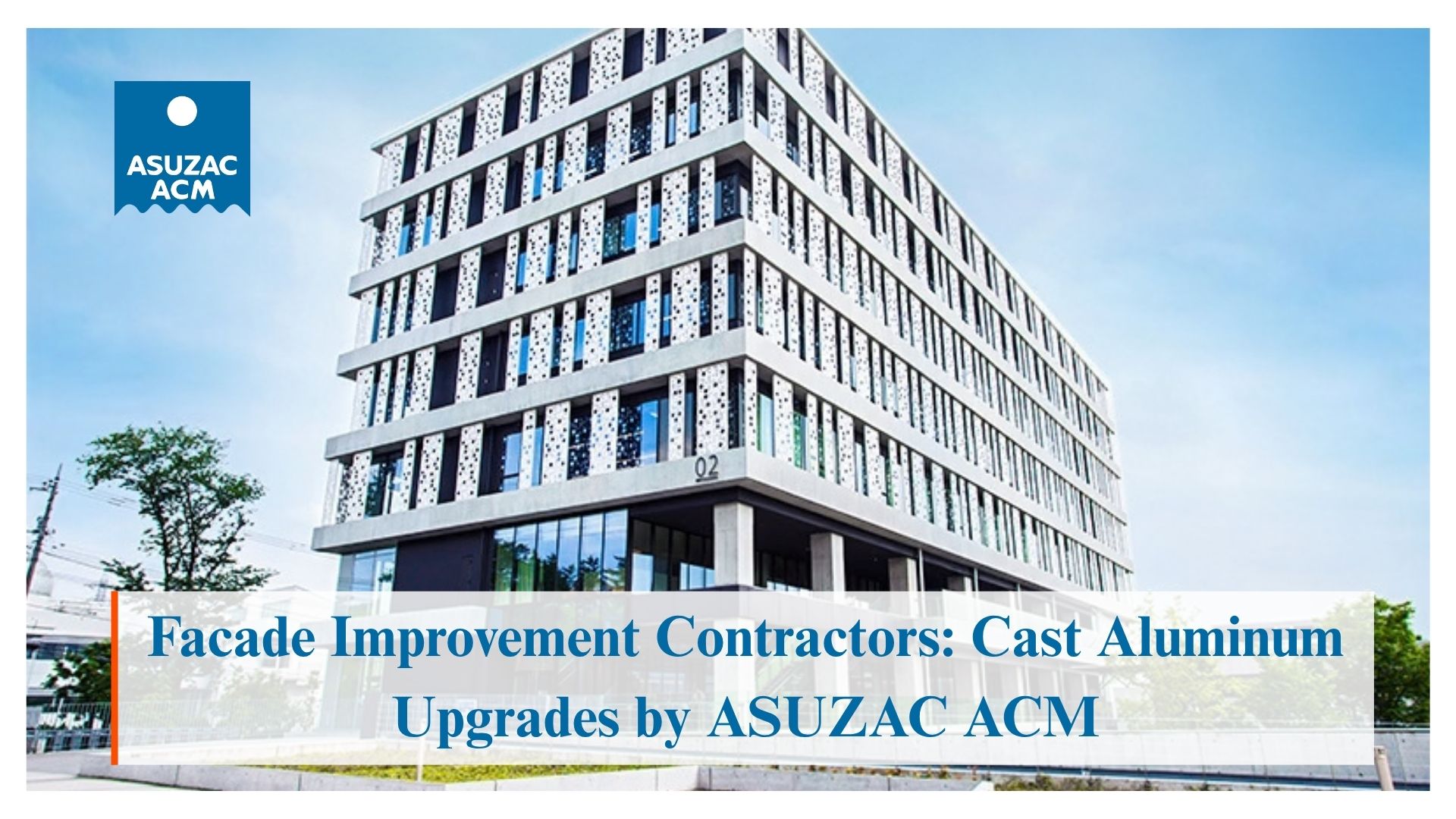
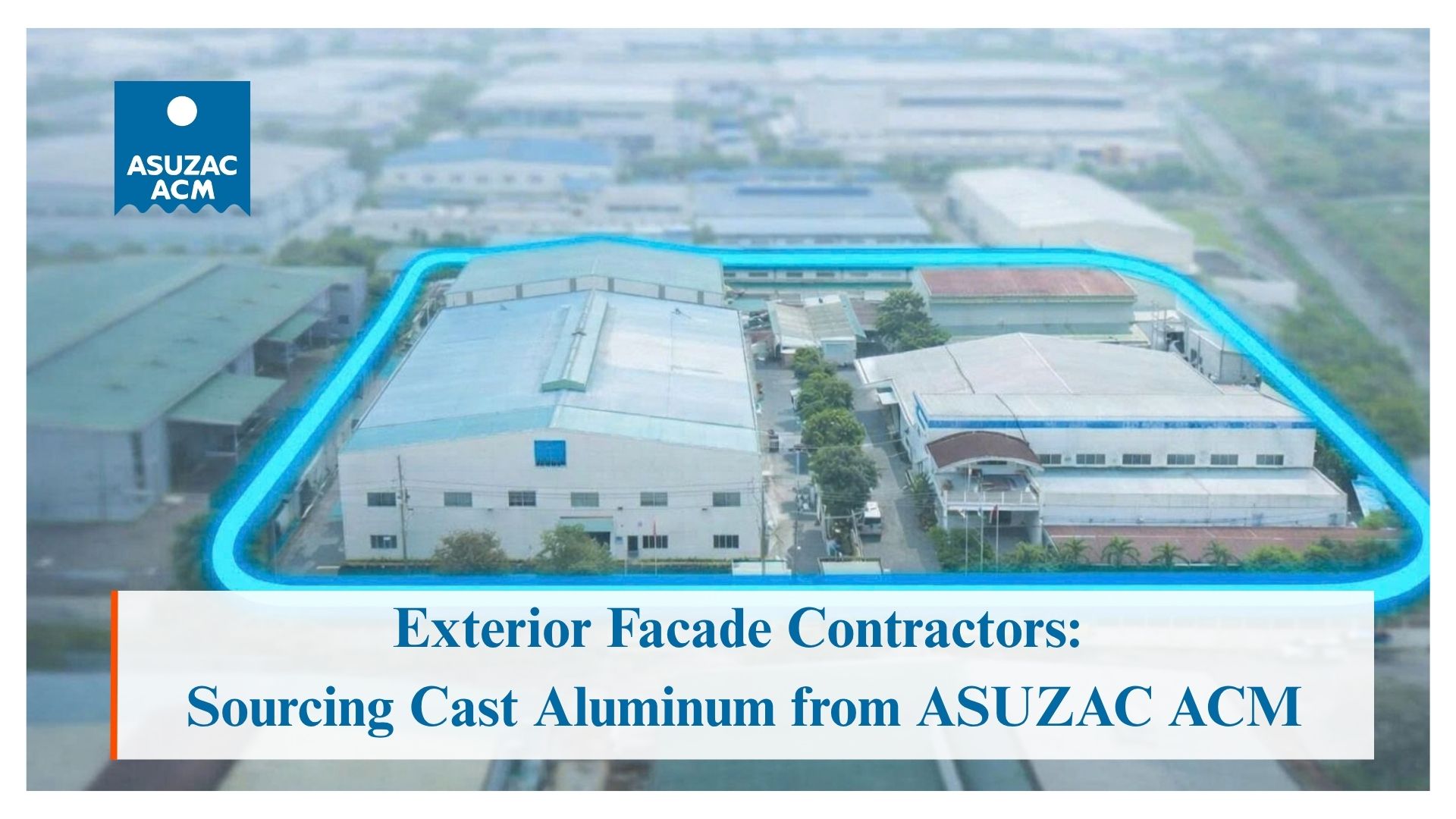
ASUZAC ACM is Japan’s leading aluminum casting manufacturer and operates a high-quality factory that produces cast aluminum facade panels. The panels are manufactured with V-Process Technology, finished with high-quality coatings suitable for harsh weather, and can incorporate vermiculite on the rear for fire protection and thermal performance. The result is facade that is very durable, costs less to maintain, and can be supplied at the best price for the best quality products, supported by the manufacturer’s product guarantee.
Table of Contents
What vermiculite coating provides
Vermiculite is an inorganic silicate mineral. When processed and applied as a spray coating, it forms a lightweight, non-combustible layer. Key fire-resistance characteristics include:
Non-combustible (Class A1): The coating will not ignite, burn, fuel flames, or drip. Composed of inorganic silicate minerals, it meets the highest safety expectations for high-rise exterior cladding systems.
Zero toxic off-gassing: It emits no toxic gas or heavy smoke and is free from organic polymers, solvents, and halogenated flame retardants, helping maintain clearer air and better visibility in evacuation routes.
Thermal-shock resistance: The coating adheres continuously without spalling or cracking and maintains a strong mechanical bond under extreme temperature change, supporting certified fire-resistance ratings of 60 to 120+ minutes depending on system thickness and design.
Ultra-lightweight profile: It delivers high-hour protection without the heavy dead load of traditional concrete or dense mortar encasements, reducing structural demand on facade anchoring and sub-frames.
These properties allow the vermiculite layer to function as a passive fire-protection measure on the unseen rear of the panel without altering the architectural appearance of the front face.
Thermal insulation benefits
Beyond fire performance, the same coating contributes to the building envelope’s thermal behaviour:
Ultra-low thermal conductivity: The porous, expanded mineral structure traps stationary air within micro-cavities, drastically reducing heat transfer and minimising solar heat gain through metal facade panels.
Continuous thermal barrier: Applied as a seamless, monolithic spray, it eliminates thermal bridging across complex cast-aluminum geometries, joints, and fins.
Extreme temperature range: The coating remains dimensionally stable from sub-zero conditions to above 1,000 °C, resisting breakdown in hostile outdoor environments.
HVAC energy efficiency: By lowering overall heat flux into the building, it reduces cooling loads and supports green-building objectives such as LEED and BREEAM.
UV and moisture stability: The inorganic silicate composition does not rot, settle, shrink, or degrade under UV exposure, extending the building lifecycle with low maintenance demand.
Together, these characteristics make vermiculite a dual-purpose treatment: fire protection in an emergency and improved thermal performance in normal operation.
How ASUZAC ACM applies the coating
On the current project, vermiculite is sprayed onto the rear of each cast aluminum facade panel at the client’s request. The front face retains its architectural finish and high-quality weather-resistant coating. The reverse face receives the vermiculite layer, creating a continuous barrier that does not interfere with the visible design.
In a fire, the coating acts as a thermal barrier that helps delay flame spread across and behind the cladding. At the same time, its insulating properties reduce heat transfer through the panel during ordinary weather exposure. The treatment supplements, rather than replaces, the building’s overall fire strategy and structural protection measures.
Weather durability and product guarantee
ASUZAC ACM aluminum casting facade panels are finished with high-quality coatings suitable for harsh weather. These coatings resist fading, moisture, abrasion, and repeated cycles of sun and rain, so the panels are very durable and cost less to maintain. The vermiculite layer on the rear complements this performance by adding fire resistance and thermal insulation without affecting the front-face finish.
Because casting, weather coating, and vermiculite application are controlled in one factory, ASUZAC ACM can quote the best price for customers requiring the best quality products. The manufacturer’s product guarantee covers the agreed quality standard; specific coverage and duration are confirmed in the project order.
V-Process casting foundation
The panels are produced with V-Process Technology, regarded as the top-notch process for aluminum casting in the market today. A film seals the mold, vacuum holds dry sand in shape, and molten aluminum fills the cavity. After solidification the sand is recovered. The process yields smooth surfaces, very low porosity, and high dimensional accuracy—providing a reliable substrate for both the weather coating on the front and the vermiculite spray on the rear.
These elevations show long-term exterior performance. The addition of vermiculite on the reverse face extends the same production discipline into enhanced fire and thermal performance when specified by the client.
Enquiry information
Useful details for a quotation include panel sizes and quantities, front-face finish and colour, confirmation of rear vermiculite application, any project-specific fire or thermal objectives, and delivery phasing. Clear requirements allow coordinated production and a transparent statement of product guarantee terms.
Address: No. 1A, Road No. 8, Vietnam – Singapore Industrial Park, Binh Hoa Ward, Ho Chi Minh City
Vermiculite applied to the rear of cast aluminum facade panels combines passive fire protection with thermal-insulation benefits. On a current client project, ASUZAC ACM sprays the material onto each panel so that, in a fire, it helps delay flame spread and enhances safety, while also reducing heat transfer in normal conditions. Combined with V-Process casting and high-quality coatings suitable for harsh weather, the panels are very durable and cost less to maintain. The company quotes the best price for the best quality products and supports them with a manufacturer’s product guarantee.
For elevations that must perform in everyday weather and contribute to both fire safety and thermal efficiency, this integrated solution is available from ASUZAC ACM.